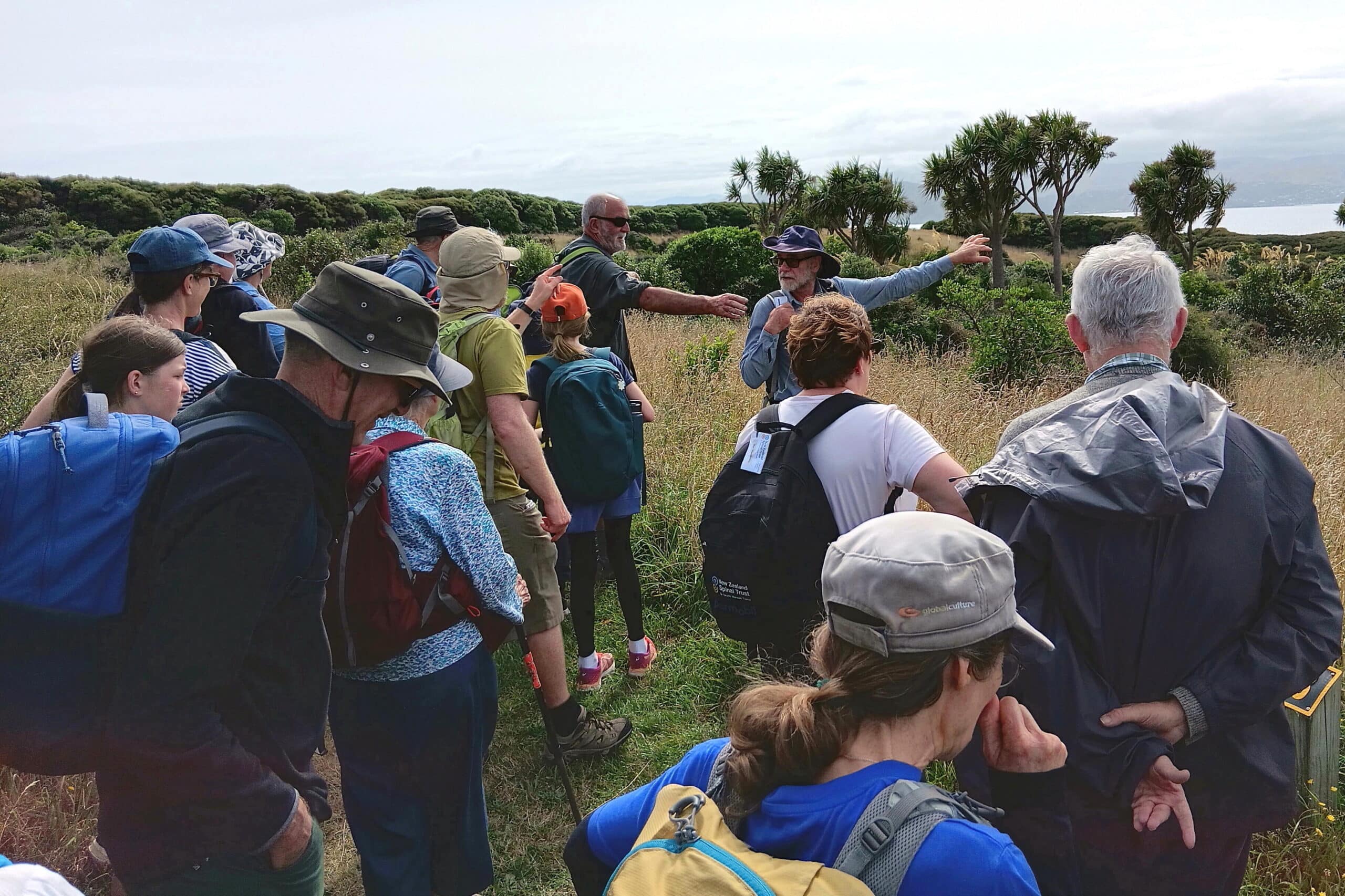
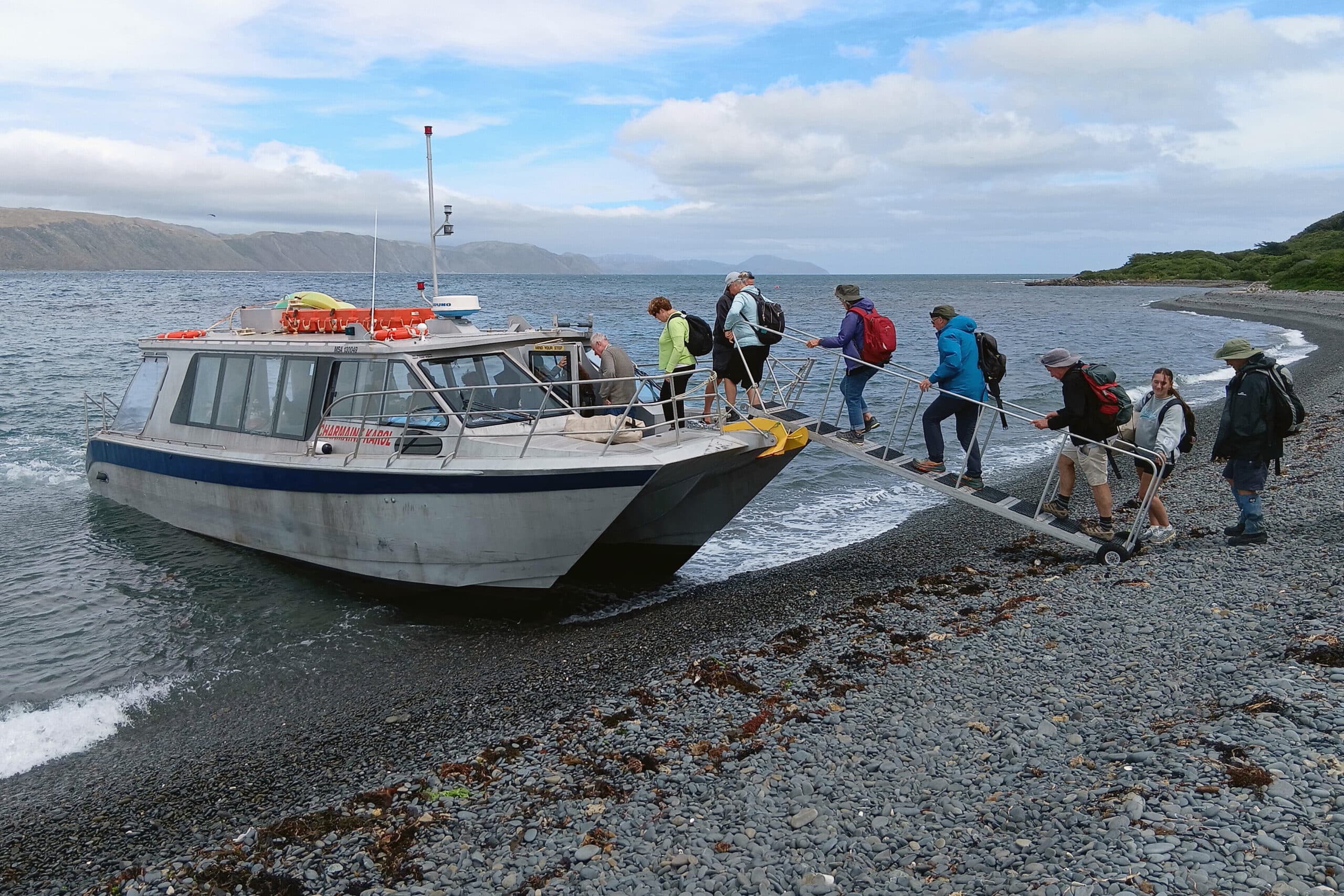
A group of 26 A Rocha Wellington members had a great day on Mana Island on 14 Feb 2026. The group included some knowledgeable people, who provided a great commentary – our guide, Peter Kiernan (on the right in the photo above), who volunteered on the island for a few years doing lizard work, another couple who had volunteered for flax weevil management, and some Forest and Bird members who were able to provide extra background on the revegetation of the island once farming ceased in 1986.
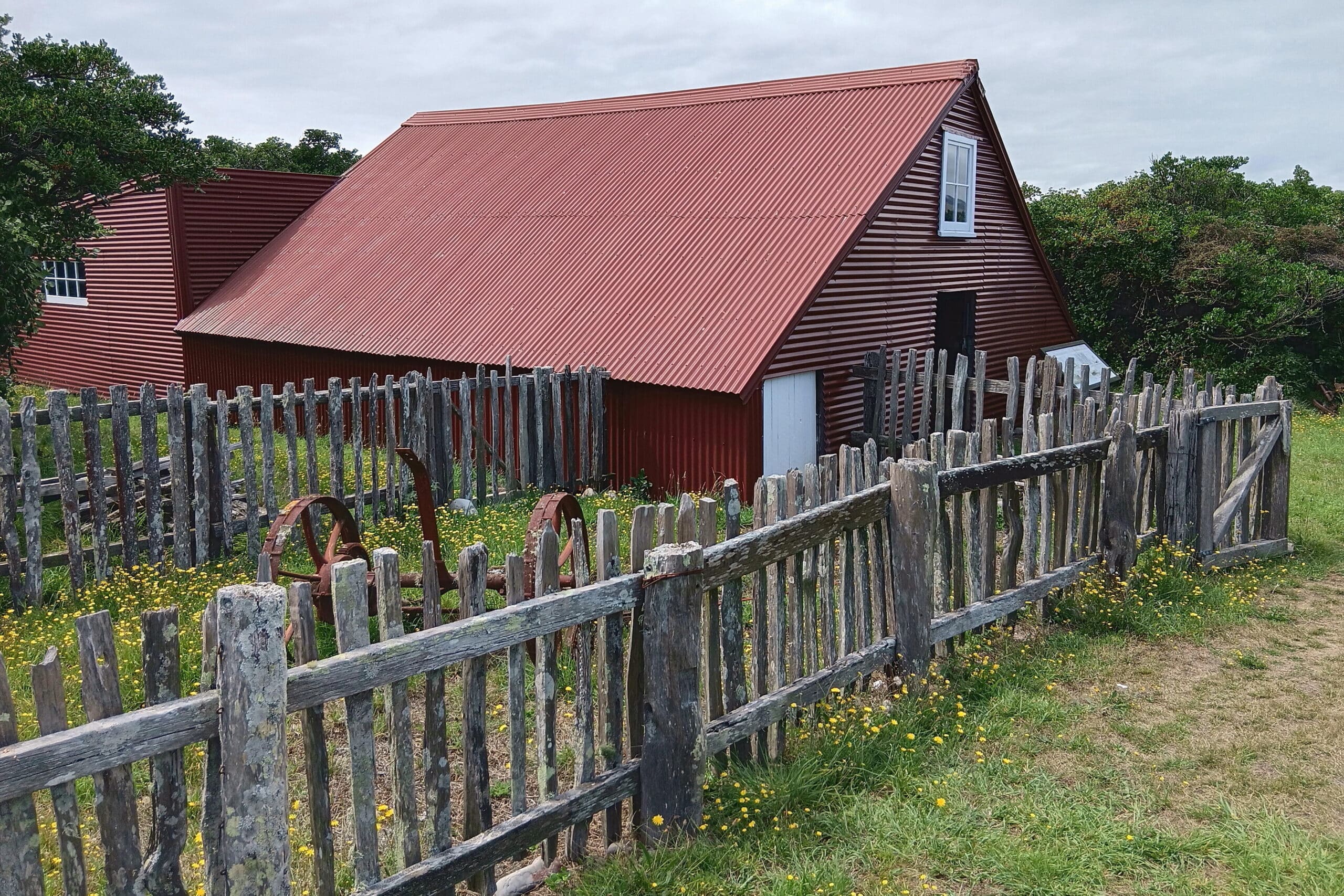
We assembled at the wharf on the Mana Esplanade bright and early, and took the Go Mana boat skippered by Glen Cooper, departing at 9 am. We had a smooth and speedy crossing. On the island, we made our way to the old woolshed where Julia from Go Mana gave us some background and some suggested routes.
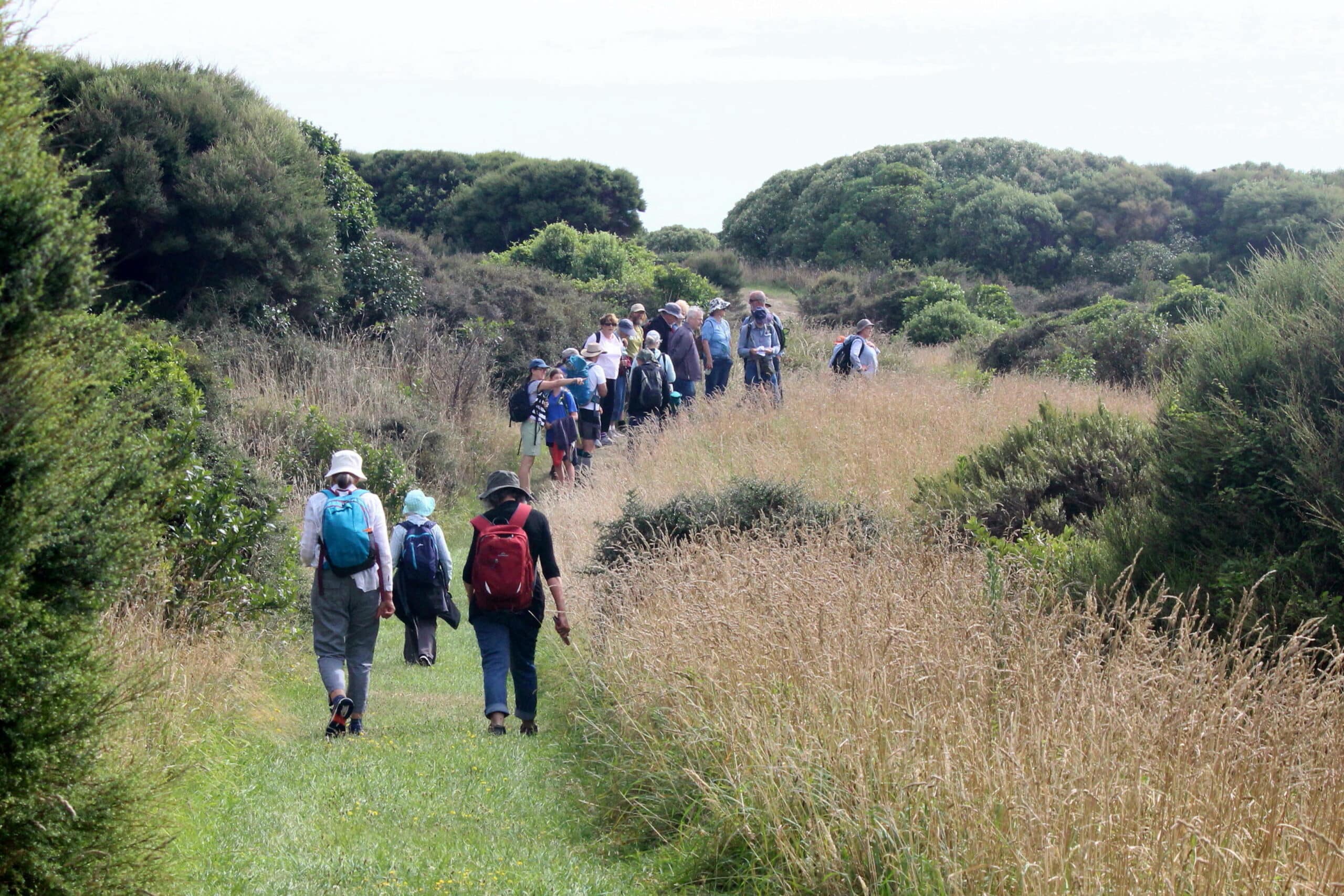
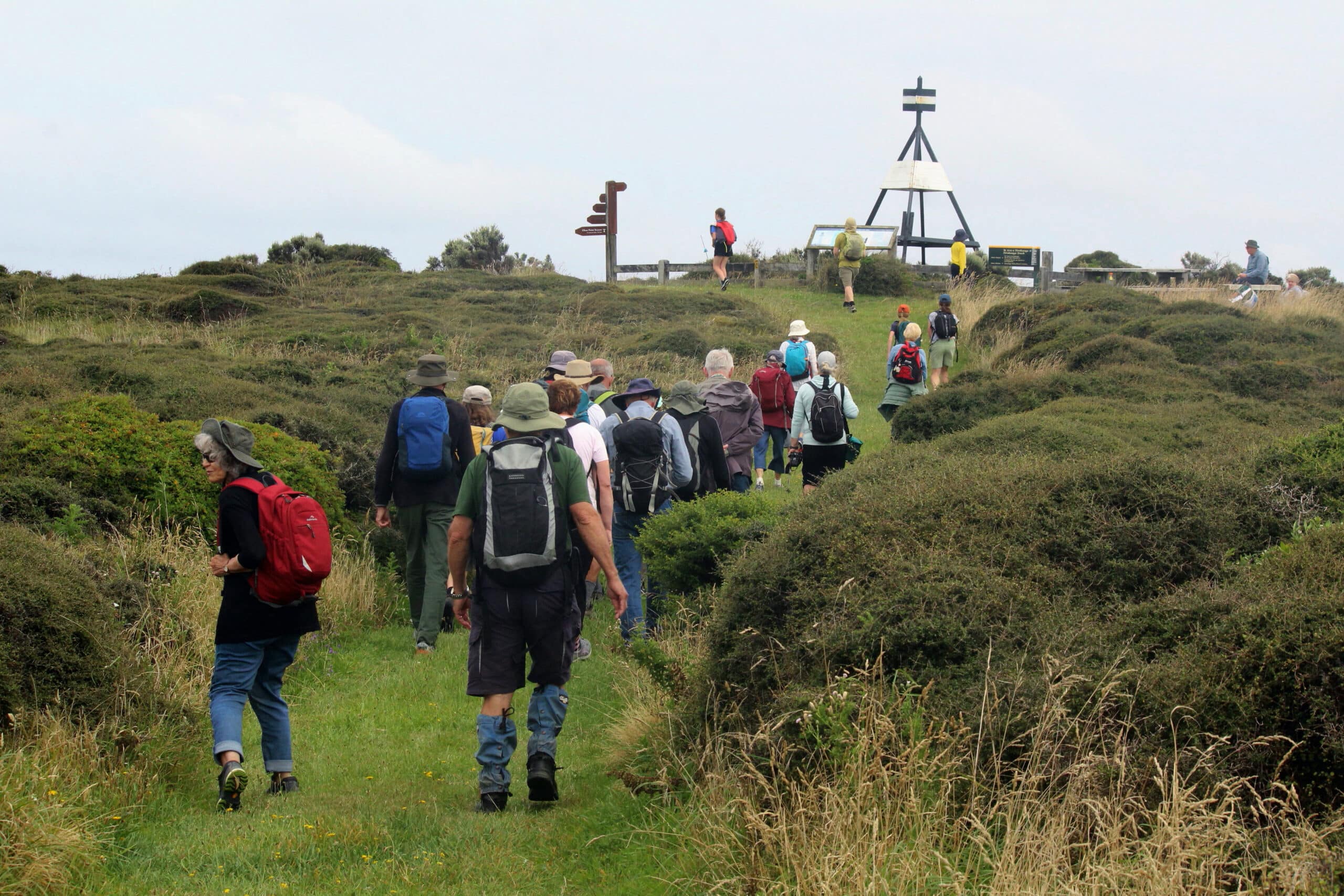
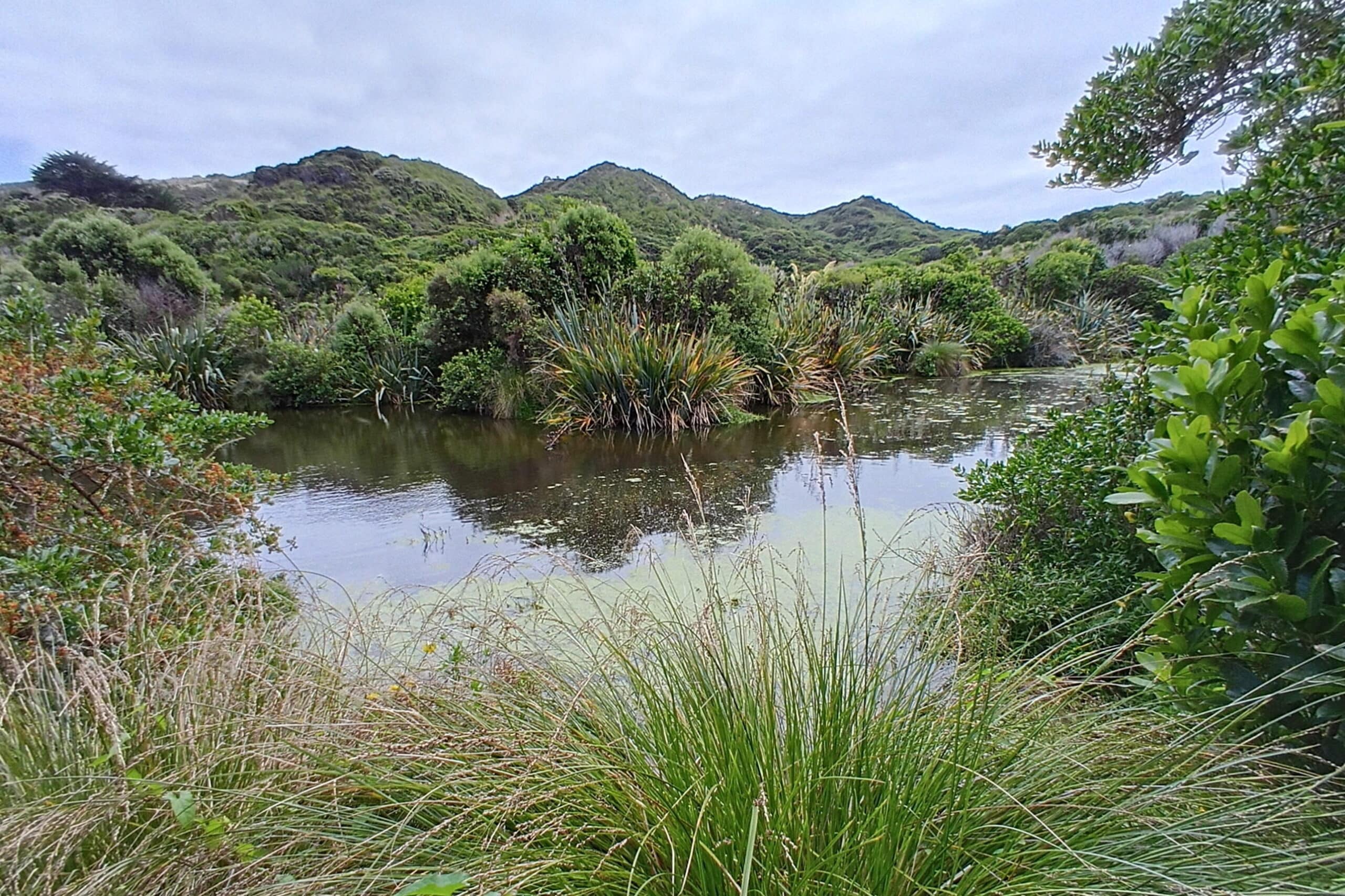
We followed the Friends of Mana Island trail (FOMI-Map-of-Mana.pdf ) stopping at marked sites of interest (FOMI-SelfGuide-brochure.pdf). Our route took us up through bush on the Tirohanga Track to the grassy plateau, where we had lunch at the former lighthouse site, then continued on Tirohanga Track before descending on Central Track, diverting through the constructed Waikoko wetland, and returning to the woolshed for some relaxation before catching the return boat trip at 2pm.
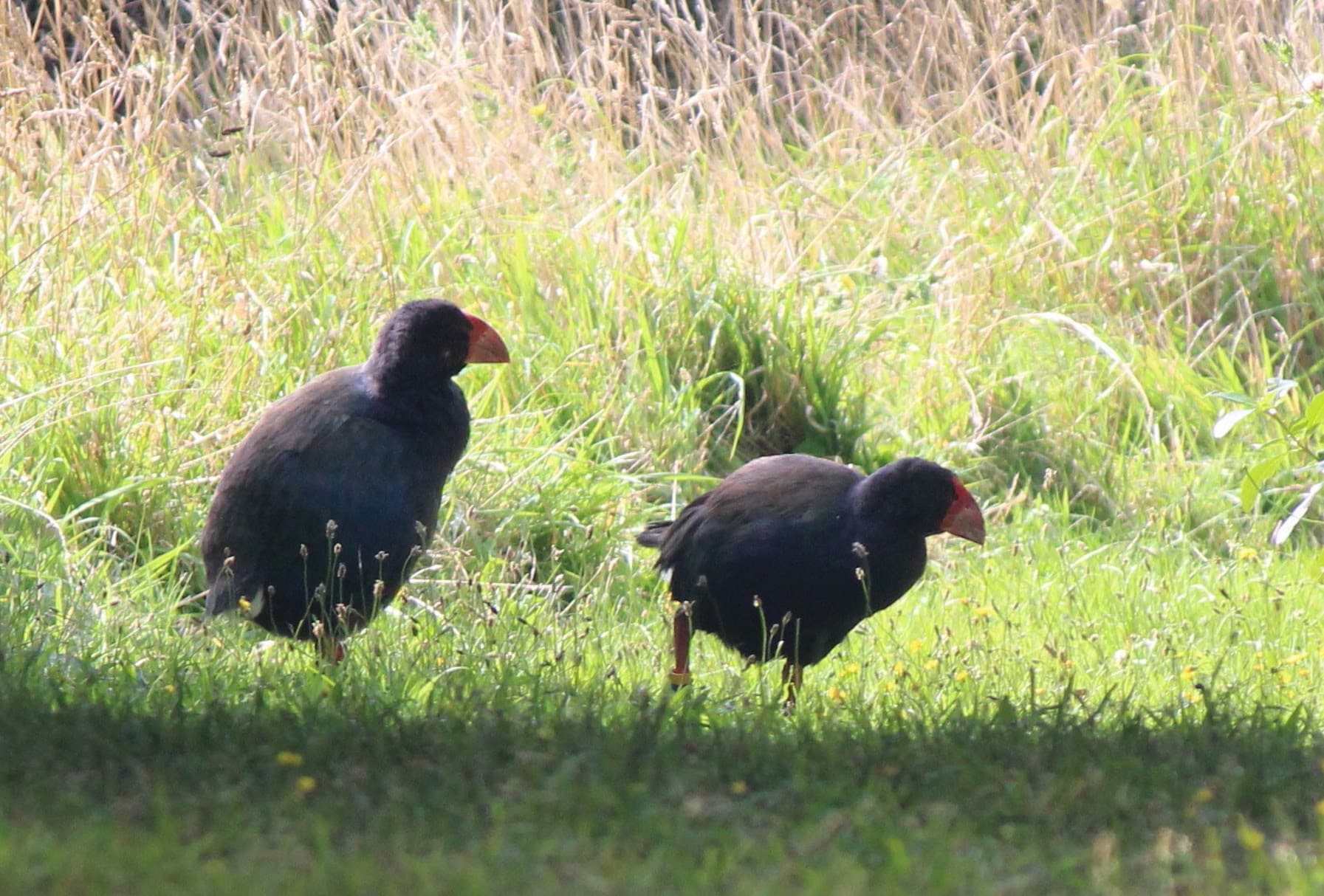
A number of birds were seen and heard including takahe (photo below), whiteheads/pōpokotea, kakariki and a fernbird/mātātā.
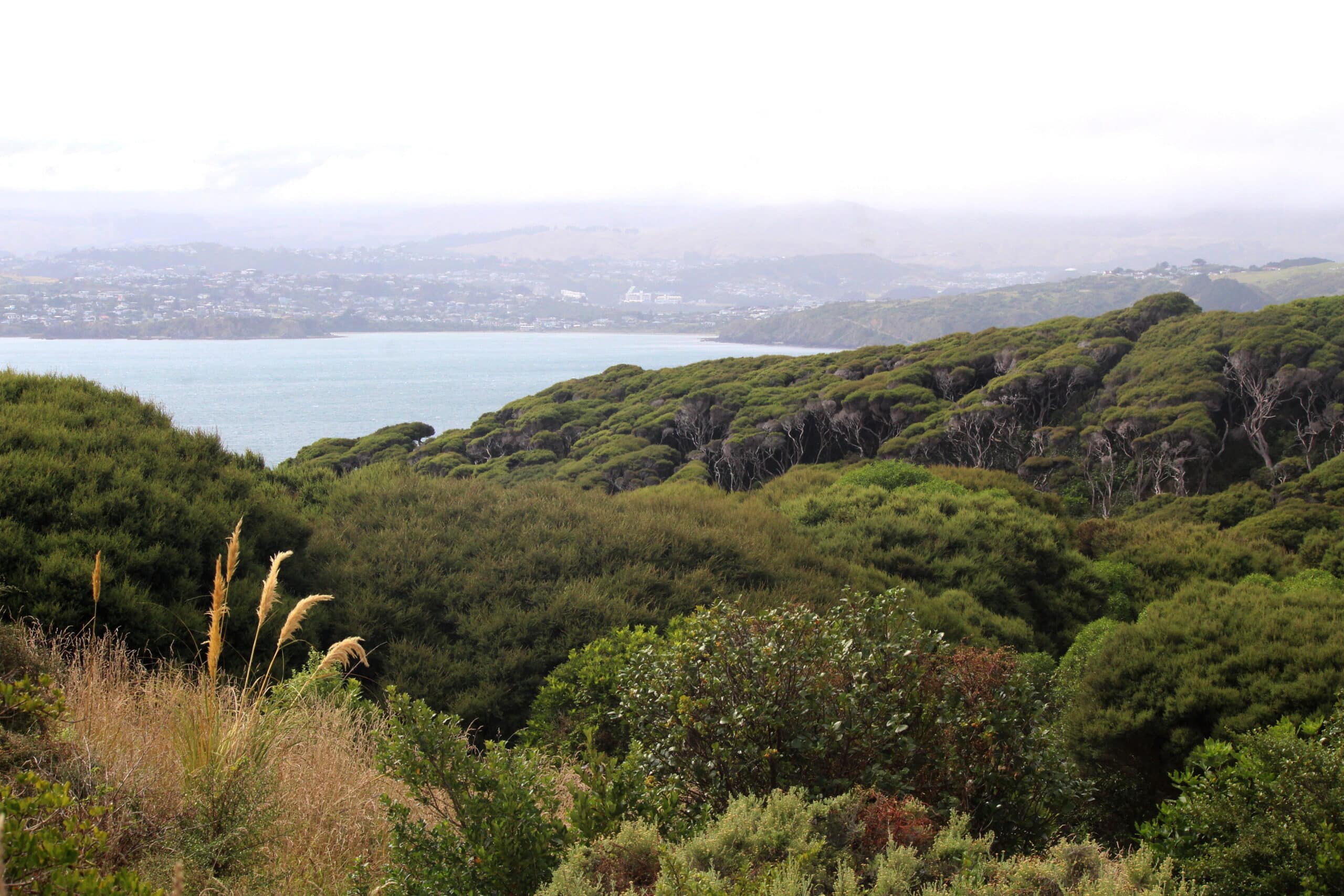
Of particular interest were the insights provided by members of the group into the challenges associated with restoring ecosystems on the island. For example, initially planting was aimed at reforesting the whole island with eco-sourced trees. However, as the island was being used to release takahe and geckos, a decision was made to leave the grassland in the upland areas, as food and habitat for them. Planting on the upland instead focused on scattered patches of shrubs such as Hebes and divaricating shrubs like Coprosma propinqua (see photo near the trig below). We enjoyed exploring both habitats.
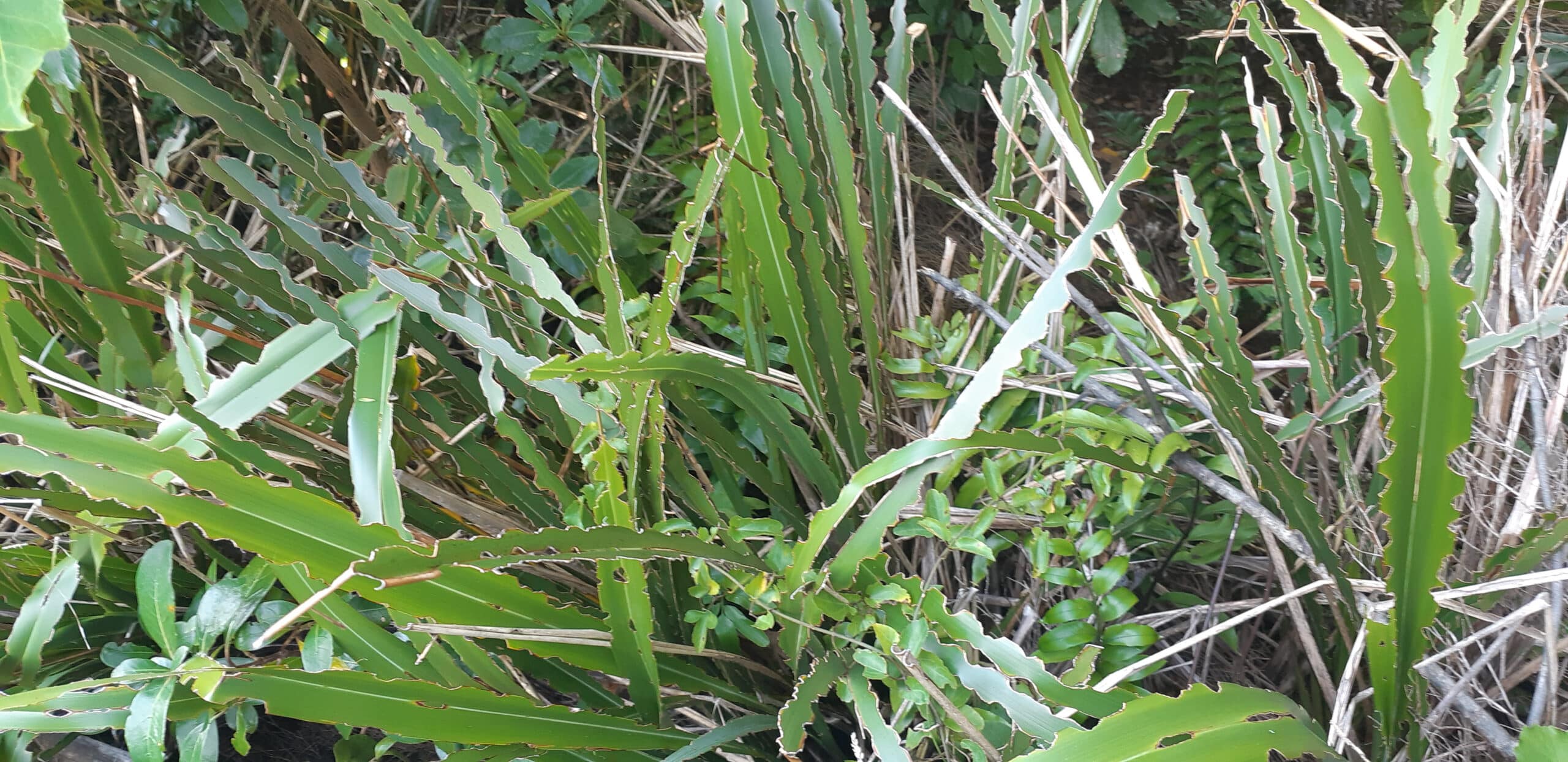
Eradication of introduced predators from the island (mice only in Mana’s case), and reintroducing endangered species also brought challenges. For example, when flax weevils were introduced to the island, they thrived in the absence of predators and their food source (flax) was being overwhelmed (photo below). Volunteers were brought in to remove some of the weevils. We reflected on what the predator would naturally be – apparently the jury is still out on that.
We also heard about attempts to introduce or attract new species that seemed to fail. For example, attempts to attract gannets using concrete dummy gannets and broadcast gannet calls attracted only one lonely gannet who stayed for a couple of years with his concrete buddies before leaving for good. Later attempts have been more successful.
We thank God for the calm, cool day we had for the visit, as a storm arrived on Sunday, and the boat trips on that day were cancelled. It was a great day out, learning from each other and from the displays at various points on the island.
What a wildly wonderful world, GOD! You made it all, with Wisdom at your side, made earth overflow with your wonderful creations. (Psalm 104:24, The Message version)